
Coronary Angioplasty
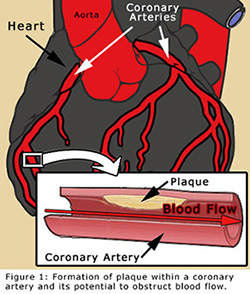
Coronary angioplasty, or percutaneous coronary intervention (PCI), is a procedure performed to open blockages formed from plaques in heart arteries and, therefore, improve blood flow to the heart. Plaques form due to coronary artery disease, an inflammatory process that eventually results in calcium deposits within the walls of blood vessels. If these plaques become severe enough, impairment in blood flow to the heart results. An angioplasty procedure is commonly performed in patients who have symptoms of coronary artery disease (angina) and in patients who are actively having a heart attack. This procedure’s major benefit is reducing symptoms (e.g., chest pain, shortness of breath) related to coronary artery disease. In some instances, this procedure can reduce the incidence of myocardial infarction and death.
Understanding the Coronary Angioplasty / Stent Procedure
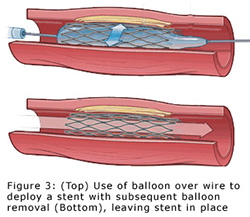
Coronary angioplasty, if necessary, is performed following a cardiac catheterization. A long, thin, flexible tube, called a catheter, is typically inserted into the leg or arm through a tiny incision (typically less than one-tenth of an inch) at the skin surface. These catheters travel through blood vessels to the heart. A wire is then advanced through the catheter and inserted into a coronary artery.
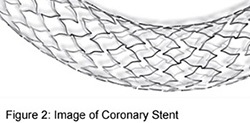
Usually, a balloon is advanced over the wire and inflated at the location of the severe blockage or plaque. The balloon alone can treat the blockage, but in most instances, a stent is required for best results. The stent, if needed, is initially located outside of a balloon. The stent and balloon are then advanced over the wire, and the balloon is inflated. The balloon inflation expands the stent up against the artery wall, securing it in place.
The heart artery walls will eventually grow around the stent, much like ivy can grow, and eventually cover a chain-link fence. While this healing process occurs, certain medications are extremely important, and your physician will discuss this with you. In most instances, aspirin is required life-long, and an additional anti-platelet medication (e.g., clopidogrel, prasugrel, or ticagrelor) is needed for months to years, depending on the type of stent and the reason for its placement. Your doctor will discuss with you the specifics regarding necessary medications. If you recently have had a coronary angioplasty or stent procedure and are taking medications prescribed by your physician, do not stop these medications for any reason without consulting your doctor.